
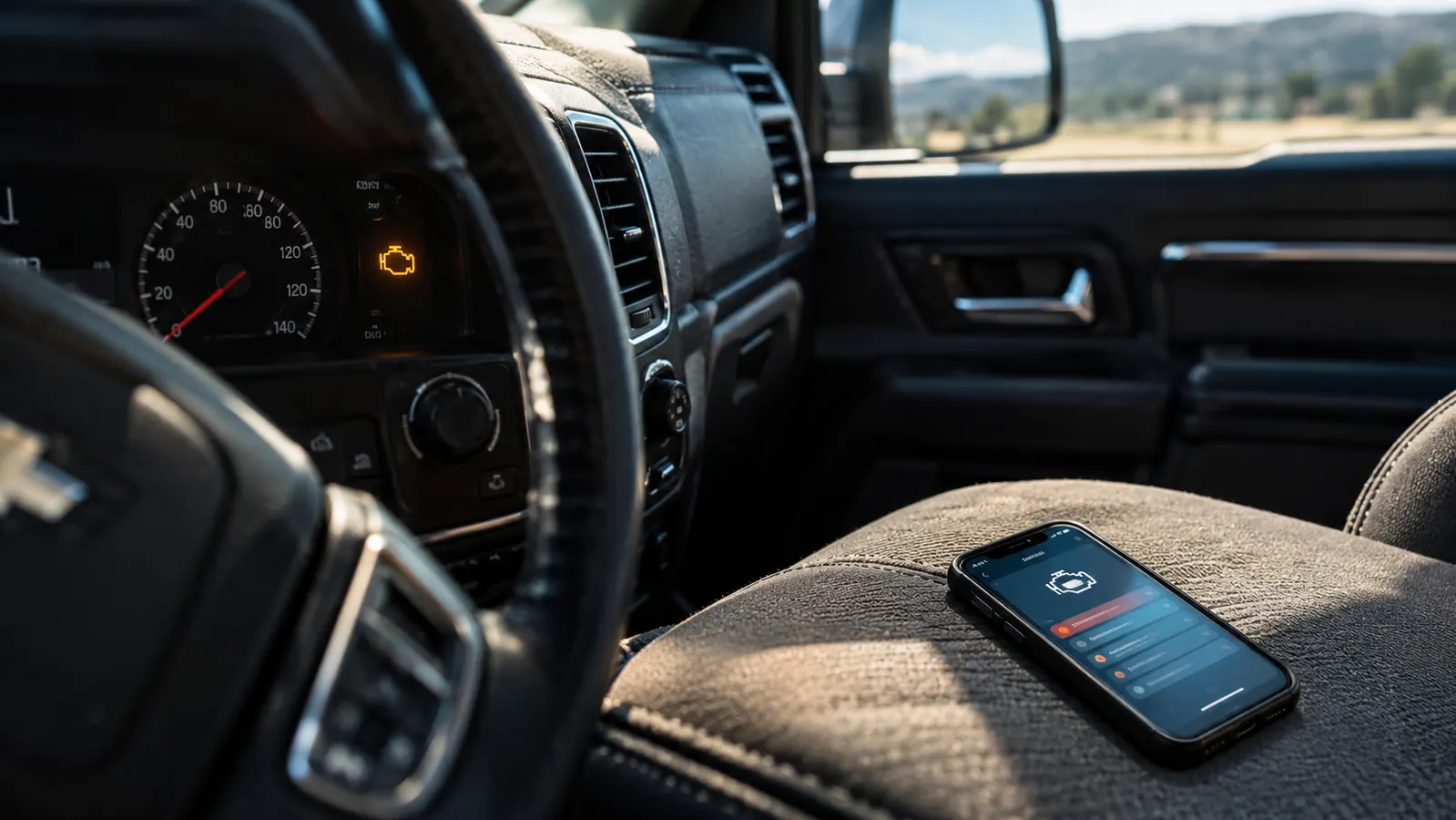
The check engine light came on in my 2016 F-150 on a Tuesday morning, right at the start of the work week. It was the third time in six months, and I had the same thought I always do: is this going to cost me a day at a shop, or is it just a loose gas cap? The last visit to the shop had cost me an hour of waiting and a diagnostic fee on top of the repair. That afternoon I ordered a BlueDriver OBD2 scanner after a buddy in the shop told me he used one to check freeze-frame data on his own truck before deciding whether to fix it or call a specialist.
Four months later I have used it on eleven different faults, cleared three false readings, and saved myself two unnecessary trips to the parts store. This list is the honest math from a working mechanic who would rather pull codes in his own driveway than pay someone else to do the same thing.
Start with the code, not a guess
A BlueDriver scan takes about two minutes, gives you the exact code and live data, and needs no subscription. Arm yourself before you call a shop or order parts.
Amazon Check Today's Price on Amazon →It tells you if it is a loose gas cap or a real fault
The first time the light came on with code P0456, I tightened the gas cap and drove around for a day. The light came back, so the scanner told me the system was still leaking. It turned out to be a cracked evaporative emissions hose underneath the truck, not the cap. Without the code I would have bought a new cap first, spent an hour swapping it, and then still had the same light on the next morning. The scanner saved me from a parts-store detour and a wasted afternoon.
Amazon See how the BlueDriver labels each code so you do not guess wrong. →
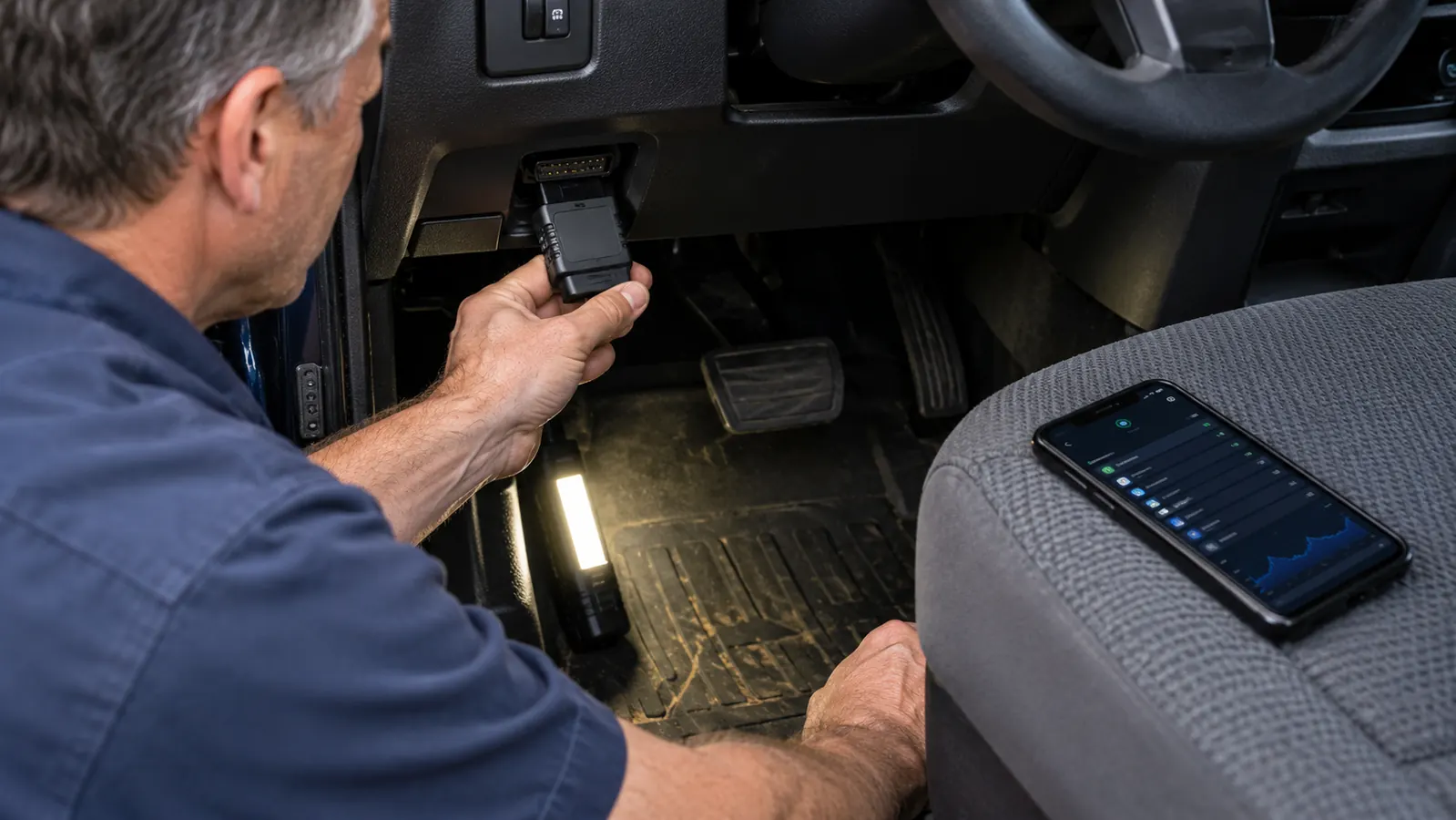
It shows live data while the engine runs
When you have a misfire that only shows up under load, a scanner that just reads a stored code is not enough. The BlueDriver graphs the sensor values while you drive. I watched the fuel trim numbers climb past twelve percent on a slow ramp and finally saw the lean code appear as I was going uphill. That told me to check the vacuum line instead of throwing in a new sensor. You can catch a problem in the act, not after it has already set a code.
Amazon Use the live data to chase down problems that only happen while you drive. →
It turns a one-hour diagnosis into a ten-minute read
When a P0300 random misfire popped up on a cold morning, I plugged the scanner in before I even opened the hood. In ten minutes I had the code, the misfire counter per cylinder, and the freeze-frame showing the engine speed when it stumbled. That is twenty minutes shorter than driving to the nearest parts store and waiting in line for a handheld reader they will not let you take outside.
Amazon Save the time and read the code before you leave the driveway. →
It gives you the exact code before you pick up the phone
You can call a shop and describe a blinking light, but they are going to book you in just to run a scan. If I call now with code P0420 and say the catalyst efficiency is below threshold, the shop knows I am not a walk-in chancer. It changes how fast they schedule me and how much they quote for the actual repair. Half the battle is showing up with information instead of a question mark. The scanner makes you the person they respect, not the one they default to upselling.
Amazon Walk into the conversation with a real code, not a guess. →
It keeps you from buying the wrong part first
Last spring I had a P0171 lean code on both banks. My first instinct was the mass airflow sensor. The BlueDriver's freeze-frame showed low throttle angle and high manifold vacuum, which pointed at a vacuum leak, not the sensor. I traced it to a cracked PCV hose and fixed it with a six-foot vacuum line from the parts store. A sensor would have cost five times as much and still left the light on. That is the difference between guessing and diagnosing.
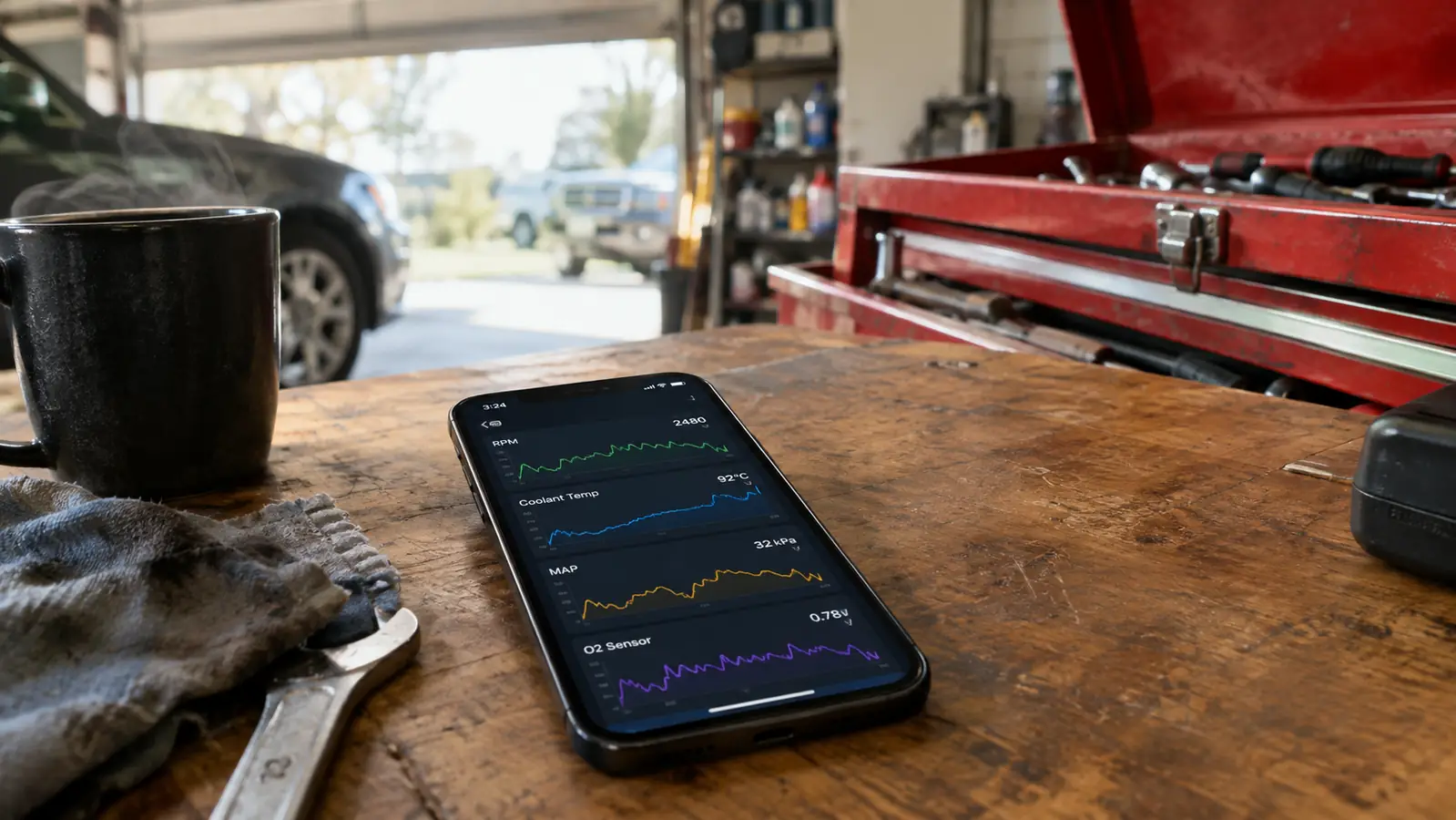
It catches codes that only show up on cool mornings
My truck has a small coolant leak that only throws a code below fifty degrees on the first start of the day. The BlueDriver records freeze-frame data with the date and time, so I can check the log after work. I do not have to sit in the truck with a laptop to see if the code appears. The scanner holds the history, and I can sort through it over coffee the next morning.
Amazon Find the fault that hides until the weather turns cold. →
It makes the check engine light less scary
I will not lie: a light can still ruin my morning. But now I know that code P0442 means a small leak somewhere or a loose gas cap, and P0303 is a single cylinder misfire. That little bit of information changes how I approach the truck. It is the difference between panic buying a new oxygen sensor and calmly checking the intake boot for a hole. I treat the light like a clue, not a verdict.
It helps you pass an emissions test without feeling like a lottery
I failed an emissions test once because the computer had not completed its readiness monitors after I cleared a code. With the BlueDriver I can check the readiness status before I pull in for the retest. I drove until each monitor showed ready, then went back and passed with no conversation about why my truck was not ready.
Amazon Know your readiness status before you spend the test fee. →
It pays for itself in one trip to the parts store
I have seen people replace a crankshaft sensor, a camshaft sensor, and an ignition coil on the same car before finding the real problem: a dirty ground wire. Each of those parts cost more than this scanner, and the labor went on their own knuckles. One correct diagnosis from the BlueDriver paid for the tool itself. The second and third correct diagnoses are the bonus. When you factor in the wasted gas and the time spent chasing the same code, the tool is already in the black.
It earns its place in the glovebox
The BlueDriver lives in my center console next to a tire gauge and a small flashlight. It has its own Bluetooth app, no subscription, and no wiring harness to lose. For a DIYer with one truck and a limited weekend, that is the only scan tool you need to keep in the vehicle. When a friend asks if they can borrow it, I tell them to go buy their own. It has earned that spot by being the first thing I reach for when the light comes on.
Amazon Put a real scanner in your truck and keep it there. →
What I'd Skip
Skip the cigarette-lighter code readers that only show a two-digit blink sequence, and skip anything that needs a laptop in the car. You want something that talks to your phone, stores history, and can graph live data. The BlueDriver app already tells you what each code means in plain English, and you can look up the rest on a phone. And do not buy a tool that locks you into a subscription just to see the diagnostic data you already paid for.
One correct diagnosis from the BlueDriver paid for the tool itself. The second and third correct diagnoses are the bonus.
Stop guessing what the light means
Read the actual code, watch it live, and decide with facts. The BlueDriver travels in your truck, needs no subscription, and earns its place the first time you fix the right part.
Amazon Check Today's Price on Amazon →