
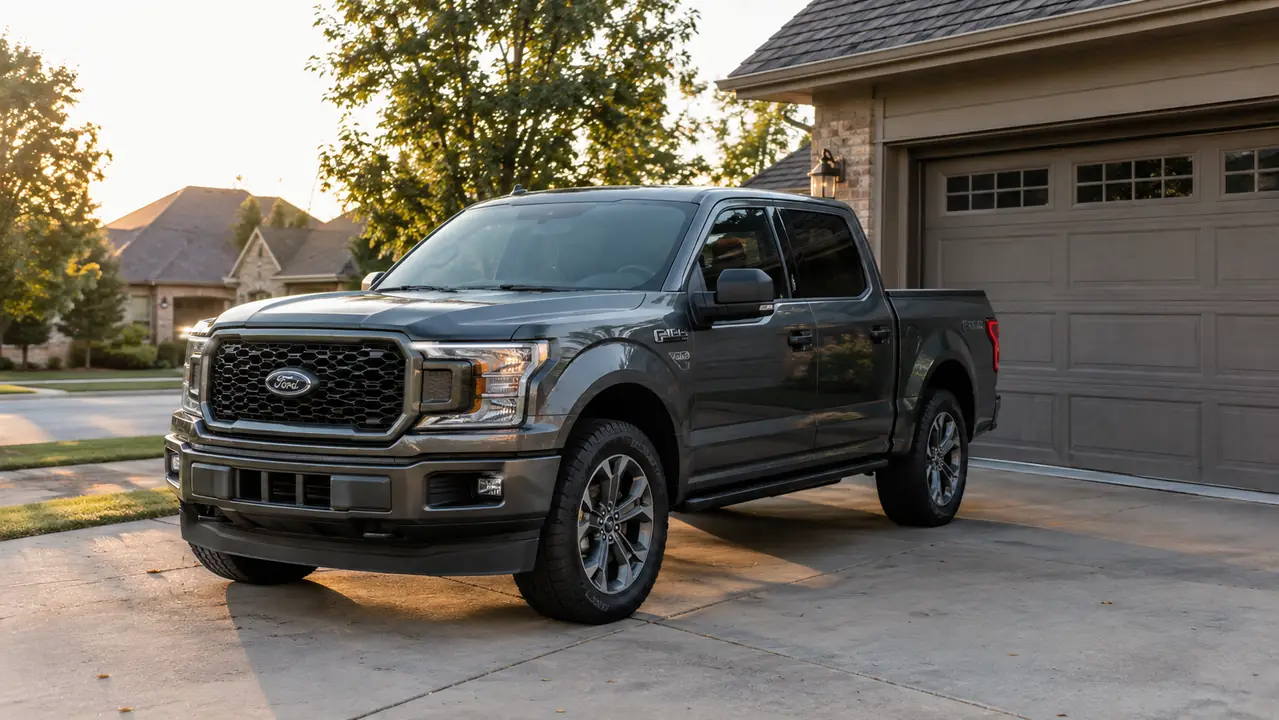
I run Mobil 1 5W-30 in my own truck, and that is not a habit I picked up from an advertisement. It came from an oil change that changed how I buy oil, and it happened at work on a customer's truck about four years ago. A guy brought in a 2011 F-150 with the 3.5L EcoBoost, the same engine family as mine, and it had a rattle on cold start that he had been ignoring for months. When I pulled the valve cover, I saw something I've seen a hundred times: varnish baked onto the camshafts and a timing chain that had stretched from running too long on the wrong oil. That truck needed a new timing set, and the owner kept asking me why it failed.
The honest answer was not one bad oil change. It was years of them, plus extended intervals, plus whatever cheap oil the quick-lube down the street happened to have on sale. The oil wasn't the only problem, but it was the part he could control. He asked me what I run in my own truck, and I told him the same thing I just told you: Mobil 1 5W-30, the weight the owner's manual calls for. He nodded and wrote it down, and I could tell he still wasn't sure whether I was selling him something. I didn't push it. You can't prove an oil change in one conversation.
My truck is a 2016 Ford F-150 XLT with the 3.5L EcoBoost V6. It has passed 140,000 miles and it is my daily driver. I have worked as a general-repair shop mechanic for about 30 years, mostly in Tulsa, Oklahoma, so I have seen what happens inside engines that go 200,000 miles and engines that die at 90,000. The difference is rarely dramatic. It is maintenance, done on schedule, with oil that actually meets the spec. I have also seen plenty of engines where the owner used the right weight but the wrong quality, and the inside of those engines tells the story.
That day I decided to stop treating oil as a commodity. I started paying attention to the API and ILSAC ratings, the viscosity, and the brand. Not because I fell for a slogan. Because I have opened enough engines to know that the oil is the only thing between metal and metal at 3,000 rpm. When that film fails, you get wear. When it fails for long enough, you get a repair bill that makes an oil change look like the best deal in the world.
Since then, every oil change on my truck has been Mobil 1 Advanced Full Synthetic 5W-30. Same weight, same brand, same interval I set on the dash. I keep a logbook in the top drawer of my toolbox, which sounds obsessive, but it has saved me more than once. When something does act up, I can look back and see exactly what went into the crankcase and when. That kind of record is worth more than any recommendation I can give you.
The oil is the only thing between metal and metal at 3,000 rpm. I have seen what happens when that layer fails.
Run the oil that meets the spec your engine was built for
Mobil 1 Advanced Full Synthetic 5W-30 is the same weight your owner's manual calls for, and it is the oil I use in my own 3.5L EcoBoost. Check today's price on Amazon and see if it fits your maintenance routine.
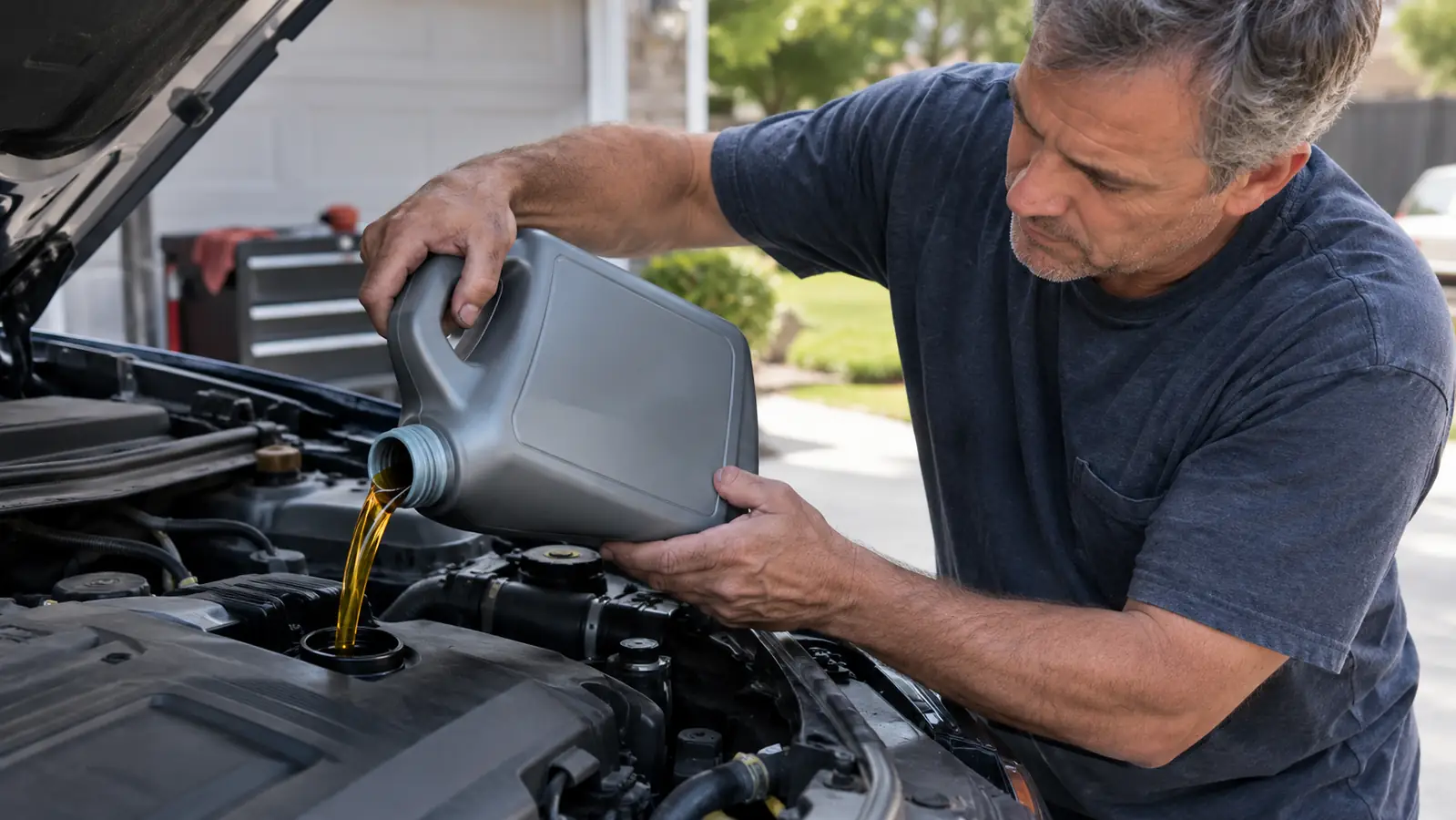
Amazon Check Today's Price on Amazon →Here is what changed, practically. Before, I would grab whatever 5W-30 was on the shelf as long as the label said the right number. Now I read the rest of the label before I pour. Mobil 1 Advanced Full Synthetic is a full synthetic oil, which matters in a turbocharged engine like mine. The 3.5L EcoBoost runs hot, and heat breaks down conventional oil faster. Synthetic holds up longer and stays in grade longer, which means the protection is still there at the end of the interval, not just the beginning.
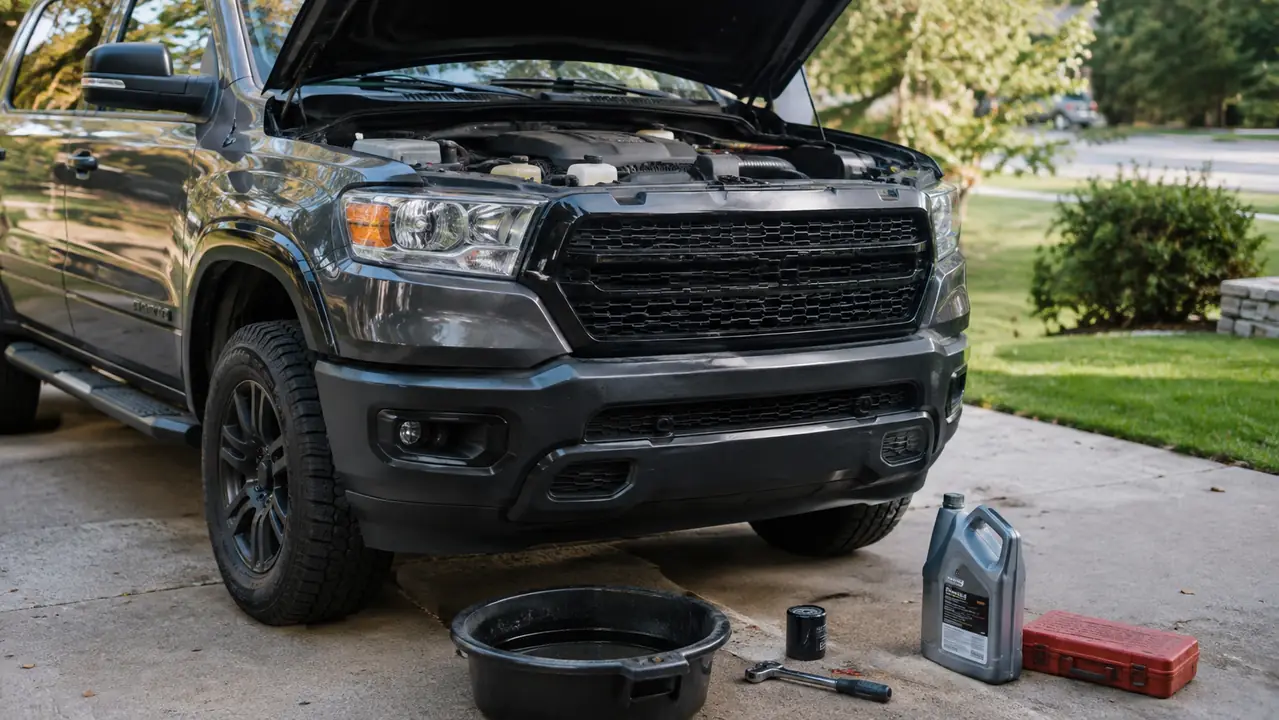
I also stopped chasing the longest interval. I change it every 5,000 miles, even though the oil life monitor says I could go longer. Tulsa summers are brutal, and I tow a trailer a few times a year. The extra oil change is cheap insurance compared to a timing chain job. I tell customers the same thing: pick an interval you can remember, then stick to it. A consistent 5,000 miles beats a perfect 10,000 miles that you actually do at 14,000.
A few months ago, I had the valve cover off my own truck to replace a leaking gasket. The camshafts were clean, no varnish, and the chain was tight. That is not a sales pitch. That is just what I saw with my own eyes at 138,000 miles. I have been doing this long enough to know that one anecdote does not prove anything, but I also know what a neglected engine looks like, and mine did not look neglected.
I am not saying one brand will save a neglected engine. If the damage is done, no oil can undo it. But if you are starting from a healthy engine, the oil you choose is the difference between a clean inside and a varnished one. That is the part nobody sees until it is too late. You can change the oil, or you can change the engine. I know which one I would rather do.
What I'd Tell You If We Were Sitting at My Kitchen Table
I would tell you to stop overthinking it. Read your owner's manual, use the viscosity it calls for, pick a brand you trust, and change it on a schedule you will actually keep. If you drive a turbocharged truck like mine, full synthetic is worth the difference. Mobil 1 has been in my garage for years, and it will be in my garage for the next 140,000 miles. Denise rolls her eyes at the logbook, but she does not argue with the results. And if you are standing in the aisle trying to decide, ask yourself one question: what do you want the inside of your engine to look like in 100,000 miles?
Start with the right oil and stick with it
Mobil 1 Advanced Full Synthetic 5W-30 is the oil I use in my own truck. It is available on Amazon, and you can check today's price in about a minute. If you have questions about what your engine calls for, your owner's manual is the place to start.
Amazon Check Today's Price on Amazon →